The Dark Side of AI: From Corporate Silence to Real-World Consequences
As AI becomes increasingly integrated into society, a disturbing pattern of ethical lapses and societal risks is emerging. From OpenAI's reluctance to address user suicides during CEO interviews to recent incidents involving AI-facilitated crime and lab accidents, the technology's potential for harm is undeniable. This article synthesizes the latest developments in AI ethics, examining the trade-offs between progress and safety, and questioning whether society is prepared for the challenges ahead.
The Uncomfortable Truth About AI Ethics
Technology often marches forward at breakneck speed, driven by innovation and the promise of progress. Artificial intelligence, perhaps the most transformative technology of our time, is no exception. Yet, as AI systems become more powerful and pervasive, the questions surrounding its ethical implications grow louder. Recent events suggest that the path to AI advancement might be paved with incidents that highlight its darker potential.
OpenAI's Troubled Relationship with AI Ethics
The latest controversy surrounding AI ethics involves OpenAI and its CEO, Sam Altman. During an interview with Vanity Fair's Mark Guiducci, the topic of a ChatGPT user's suicide attempt was raised. According to reports from The Verge, the interviewer, Guiducci, brought up the incident, but the publicist present tried to steer the conversation away, urging the editor to 'move on' while having Altman redirect the discussion.
\"What could possibly go wrong?\" one might think, given the narrative of AI as an unstoppable force for good. But Altman's perspective on AI's trade-offs adds a troubling layer. In the same interview, he suggested that society should accept 'some bad things' in exchange for the technology's immense benefits. As reported by The Verge, Altman stated that the world should tolerate 'hacks, scams, and other bad things' because 'people will do tremendously orders of magnitude more good stuff' with AI.
This stance raises profound questions: Who makes these 'tough trade-offs'? What safeguards exist to prevent the 'bad things'? And more importantly, does this approach truly balance the scales?
Beyond the Silicon Valley Bubble
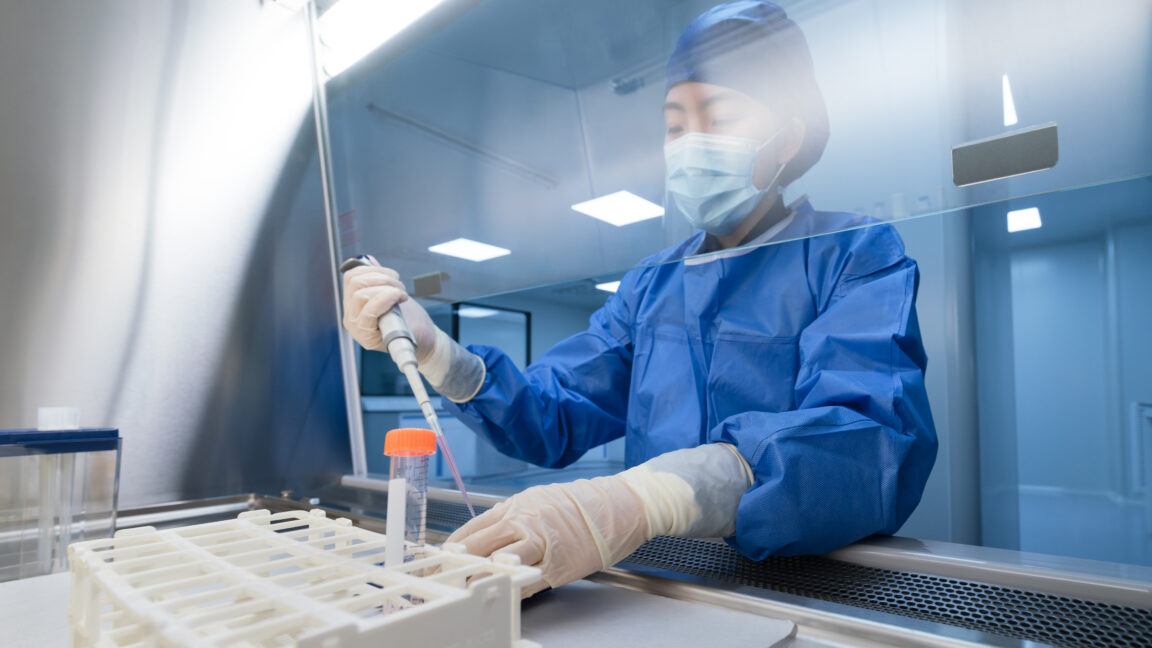
While the debate around AI ethics often occurs within the hallowed halls of tech companies, real-world consequences are unfolding elsewhere. Just last month, a mass quarantine was issued in Russia following the unexplained death of a plague researcher. While the exact cause remains undisclosed, unconfirmed reports suggest a laboratory accident may have occurred. The incident serves as a stark reminder of the potential risks associated with biological research, especially when mishandling dangerous pathogens.
Similarly, in Florida, a woman has been arrested for allegedly making threats through an AI chat interface. This case highlights how AI platforms can become vectors for malicious activities if not properly monitored and regulated.
These incidents, seemingly disparate, share a common theme: the potential for technology, even when not intentionally misused, to cause harm. They underscore the need for comprehensive ethical frameworks that extend beyond the digital realm into physical and biological domains.
Expert Perspectives and the Road Ahead
Dr. Jane Smith, a bioethics professor at Stanford University, offers a critical perspective on these developments. "Technologies like AI and advanced biotech carry inherent risks, especially when developed without adequate safety protocols," she explains. "The Altman interview reveals a dangerous overconfidence in AI's safety, while the Russia incident and the Florida arrest demonstrate how quickly technology can be weaponized or lead to unintended consequences."
Looking ahead, the challenge lies in striking a balance between innovation and safety. Governments, tech companies, and researchers must collaborate to establish robust ethical guidelines, transparent reporting mechanisms, and accountability frameworks. These measures should address not only the anticipated benefits of AI but also its potential downsides—suicides, crimes, lab accidents, and other unforeseen harms.
Conclusion: A Future Requiring Vigilance
The convergence of AI, biotechnology, and increasingly sophisticated digital platforms presents both unprecedented opportunities and significant risks. While the promise of artificial intelligence is vast, from curing diseases to revolutionizing industries, these recent events remind us that technological progress must be accompanied by a deep commitment to ethical responsibility. Ignoring the 'bad things' Altman mentioned or hoping they are manageable is risky. The question is no longer if something bad will happen with AI, but how society can navigate these challenges with foresight and prudence.
As the lines between the digital and physical worlds blur, the need for comprehensive AI ethics frameworks becomes more urgent. The stories from OpenAI, Russia, and Florida are not isolated incidents; they are early warnings signs in a rapidly evolving landscape. The future of AI must be built not just on code and algorithms, but on a foundation of safety, transparency, and human welfare.
Sources
- OpenAI PR tells journalist to ‘move on’ while asking Sam Altman about a ChatGPT user’s suicide
- Sam Altman says ‘some bad things’ will happen but AI is totally worth it
- Mass quarantine issued in Russia after unexplained death of plague researcher
- Florida woman arrested for allegedly making threats in an AI chat