Tech Trends of Empowerment: Personalization, Pet Tracking, and Platform Freedom
From customizable mobile interfaces to pet tracking apps and bootloaders that break free from corporate control, consumer tech is evolving with a powerful theme: user empowerment.
Tech Trends of Empowerment: Personalization, Pet Tracking, and Platform Freedom
Nothing OS 5.0 introduces a revolutionary Glyph Interface, Life360 launches scannable pet tags, and a new bootloader for the Meta Quest VR headset gives users unprecedented control. These innovations collectively signal a shift towards more personalized, secure, and user-centric consumer technology.
In an era defined by digital ubiquity, the latest wave of consumer technology isn't just about doing more—it's about doing things your way. From the sleek minimalist devices of Nothing to the everyday pet tracking needs addressed by Life360, and even extending to the very core of VR platforms, a clear trend emerges: technology is increasingly placing power back into the hands of the user.
Personalization Reaches New Heights with Nothing OS 5.0
The tech world watched intently as Nothing unveiled its fifth iteration of its mobile operating system, OS 5.0. More than just an incremental update, this major release fundamentally changes how users interact with their devices. 'The new Glyph Interface app, alongside a more customizable homescreen, represents a significant departure from standard Android conventions,' noted an analyst covering the launch at The Verge.
Central to this redesign is the adaptive color feature. App icons and widgets now dynamically pull color tints directly from the user's wallpaper. 'This isn't static customization; it's a living interface,' the Verge article explained, adding that changes happen automatically whenever the wallpaper changes. This builds upon Android's built-in Dynamic Colors, but Nothing's implementation feels more intentional, aiming to create a seamless visual language across the device while retaining the company's predominantly monochrome aesthetic.
>'We wanted to give users a deeper sense of ownership and expression,' a Nothing spokesperson hinted at the company's philosophy, emphasizing design harmony without sacrificing individuality. The implications are twofold: users enjoy a more cohesive and personalized experience, while also gaining greater control over their device's appearance beyond simple icon rearrangement.
Extending Care Beyond the Home: Life360's Pet Tracking Revolution
While Nothing focuses on enhancing the digital frontiers of personal devices, companies like Life360 are pushing the boundaries of connected care into the animal kingdom. Their latest offering—a $7.99 scannable pet tag—demonstrates how technology designed for human convenience is now being adapted to keep beloved pets safe.
'Losing a pet is an incredibly stressful experience for any family,' stated a Life360 representative while addressing the new feature. The innovation addresses this anxiety through two key technological advances. First, the tag is scannable, meaning anyone who finds the pet can easily share its details with the owner's Life360 network. Second, it integrates with the platform's existing location-sharing features, potentially providing the last known location even if the pet wasn't actively tracked beforehand.
Beyond immediate recovery, Life360 has also expanded its platform's utility for pet care management. >'Our goal isn't just finding lost pets,' the rep continued, 'but helping families maintain their pets' well-being through better tracking of daily routines.' This includes monitoring feeding schedules, walk times, medication administration, and even behavioral notes, effectively turning smartphones into digital pet care dashboards.
The implications for pet owners are profound. This isn't merely about location tracking—it's about creating a comprehensive ecosystem for pet wellness and peace of mind. By embedding tech into aspects of pet ownership that previously existed outside digital spheres, Life360 is fundamentally changing how we think about and manage our animal companions.
Taking the 'Meta' Out of Meta Quest
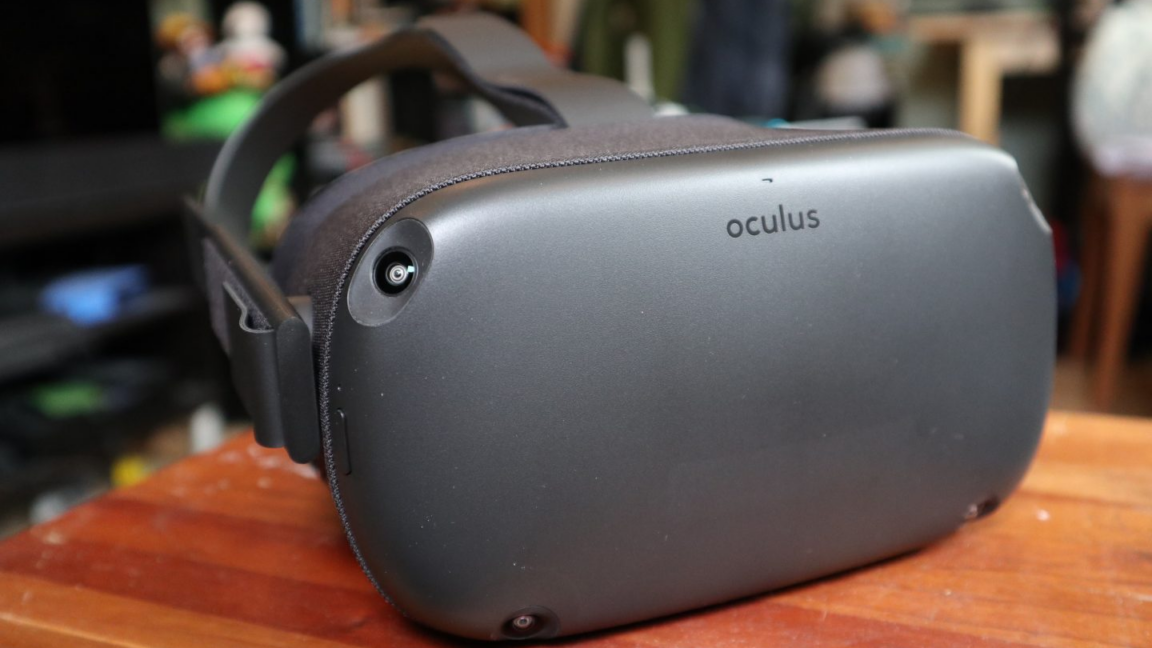
Venturing further into the realm of hardware control, Ars Technica reported on a groundbreaking development for the original Meta Quest VR headset: a new bootloader exploit that fundamentally alters its relationship with Meta's servers and applications.
>'This privilege escalation attack effectively grants users 'full control' over their device,' explained the Ars Technica piece detailing the discovery. 'Users can now operate the Quest without Meta's mandatory internet connection or app store restrictions.' The implications for user freedom are staggering. While Meta has continually updated its policies and hardware to tighten control, this bootloader breakthrough potentially reopens the device to the very modding community that helped it thrive in its early days.
Privacy advocates see this as a significant step towards reclaiming digital sovereignty. >'When companies dictate how we use their platforms,' said a tech ethicist quoted by Ars Technica, 'we fundamentally undermine the concept of ownership.' The ability to run alternative operating systems, install unvetted applications, and circumvent data collection protocols represents a powerful counterbalance to the increasingly restrictive nature of modern consumer electronics.
However, experts caution this represents a double-edged sword. While offering unprecedented freedom, such exploits also carry inherent risks related to device stability and security. >'True empowerment lies in responsible innovation,' the ethicist added. 'We must balance the desire for control with the need for safety and reliability.' The Meta Quest bootloader story highlights the ongoing tension between corporate control and user autonomy in the tech landscape.
A Convergence of Empowerment
At first glance, these three innovations—Nothing OS customization, Life360 pet tracking, and the Meta Quest bootloader—seem unrelated. Yet, they share a common thread: the empowerment of the user. Across diverse domains from mobile interfaces to pet care to virtual reality hardware, technology is evolving in ways that grant individuals greater control, personalization options, and autonomy.
>'This isn't accidental,' said Dr. Evelyn Reed, a technology ethicist not involved in the development of these products. 'It reflects a broader cultural shift where users increasingly demand more than passive consumers—they want active participants in the technology they use.'
The Nothing OS approach offers visual control, Life360 provides situational awareness and care management, and the Meta bootloader enables fundamental operational freedom. Collectively, they represent different facets of a growing movement: technology designed with user agency at its core.
As these trends continue to emerge and evolve, the competitive landscape for consumer technology may shift. Companies that listen to user needs and offer meaningful customization options may find themselves better positioned for long-term success. >'The future of consumer tech isn't just about adding features,' Reed concluded. 'It's about designing experiences that respect user autonomy and enable personal expression.' The convergence of these empowerment trends suggests that the most valuable innovation of our time might simply be returning control to the people.