SpaceX's $100 Billion Louisiana Spaceport Sparks Global Aerospace Arms Race
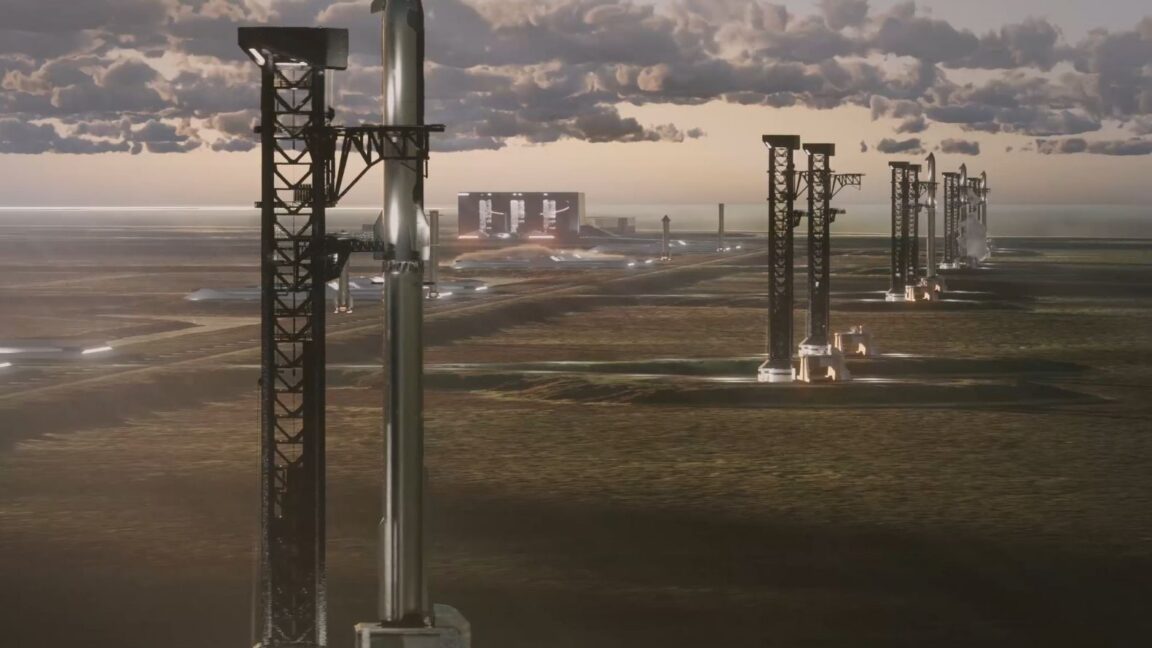
SpaceX is set to invest a staggering $100 billion in a new spaceport in Louisiana, marking a monumental leap in commercial space infrastructure. This development, echoing similar massive investments from government agencies, signals a new era of space exploration and competition.
The Hottest Ticket in Town: SpaceX's Louisiana Spaceport
The global space race isn't just about nations anymore; private enterprises are stepping up to the plate with unprecedented investments. Among them, SpaceX, led by visionary entrepreneur Elon Musk, is set to revolutionize space infrastructure yet again.
According to TechCrunch, SpaceX has announced its intention to build a second, colossal 'Starbase' spaceport in Louisiana, with an investment pegged at a whopping $100 billion. This isn't just another launchpad; it's envisioned as a comprehensive space hub. Ars Technica describes it as "a project like no other".
Construction is slated to kick off in 2027, with the ambitious goal of having Starship rockets ready for flight as early as 2029. This timeline underscores SpaceX's relentless drive for rapid development and deployment.
A Hub of Innovation and Heavy Industry
This massive undertaking isn't just about launches. As TechCrunch highlights, the Louisiana spaceport will feature extensive manufacturing facilities for the Starship spacecraft, propellant depots, and landing zones. It represents a fully integrated system designed to support not just Earth-to-orbit launches, but potentially interplanetary missions.
The sheer scale of the project is staggering. The planned infrastructure, as noted by Ars Technica, will dwarf existing spaceports in terms of size and capability. This isn't merely about competition; it's about establishing a robust, commercial infrastructure capable of supporting Musk's long-term vision of Mars colonization.
Echoes in the Government Sector
SpaceX's colossal investment in Louisiana isn't an isolated incident. The article points towards a broader trend: governments worldwide are also significantly increasing their space infrastructure spending.
This dual push—by both private industry titans and national space agencies—intensifies the space race dynamics. While historically dominated by superpowers, the landscape is now crowded with private players, including Blue Origin, Rocket Lab, and Virgin Galactic, each carving out their niches.
The implications for international relations are profound. With major space infrastructure now being built by private American companies, nations like China, particularly with its Space Station program, are viewing this as a direct challenge. The geopolitical ramifications extend beyond mere prestige; they involve control over critical orbital resources and future space-based activities.
The Path Forward and Future Implications
The successful realization of the Louisiana Starbase will mark a pivotal moment in commercial spaceflight history. It will likely spur further investment in space infrastructure globally, potentially accelerating the pace of space exploration and commercialization.
Experts suggest that this development might lead to a period of intense competition, driving down costs and increasing capabilities. Conversely, some analysts worry about the concentration of space access power in the hands of a few private entities, raising questions about regulation and equitable access.
In conclusion, SpaceX's $100 billion venture into Louisiana isn't just a bold business move; it's a statement of intent. It signals a fundamental shift in how space infrastructure will be developed and who will control the future of humanity's expansion beyond Earth. The coming years will undoubtedly be fascinating as this new space hub takes shape and reshapes the very definition of 'space exploration'.