Consumer Electronics Market: Incremental Upgrades and Rising Prices Collide
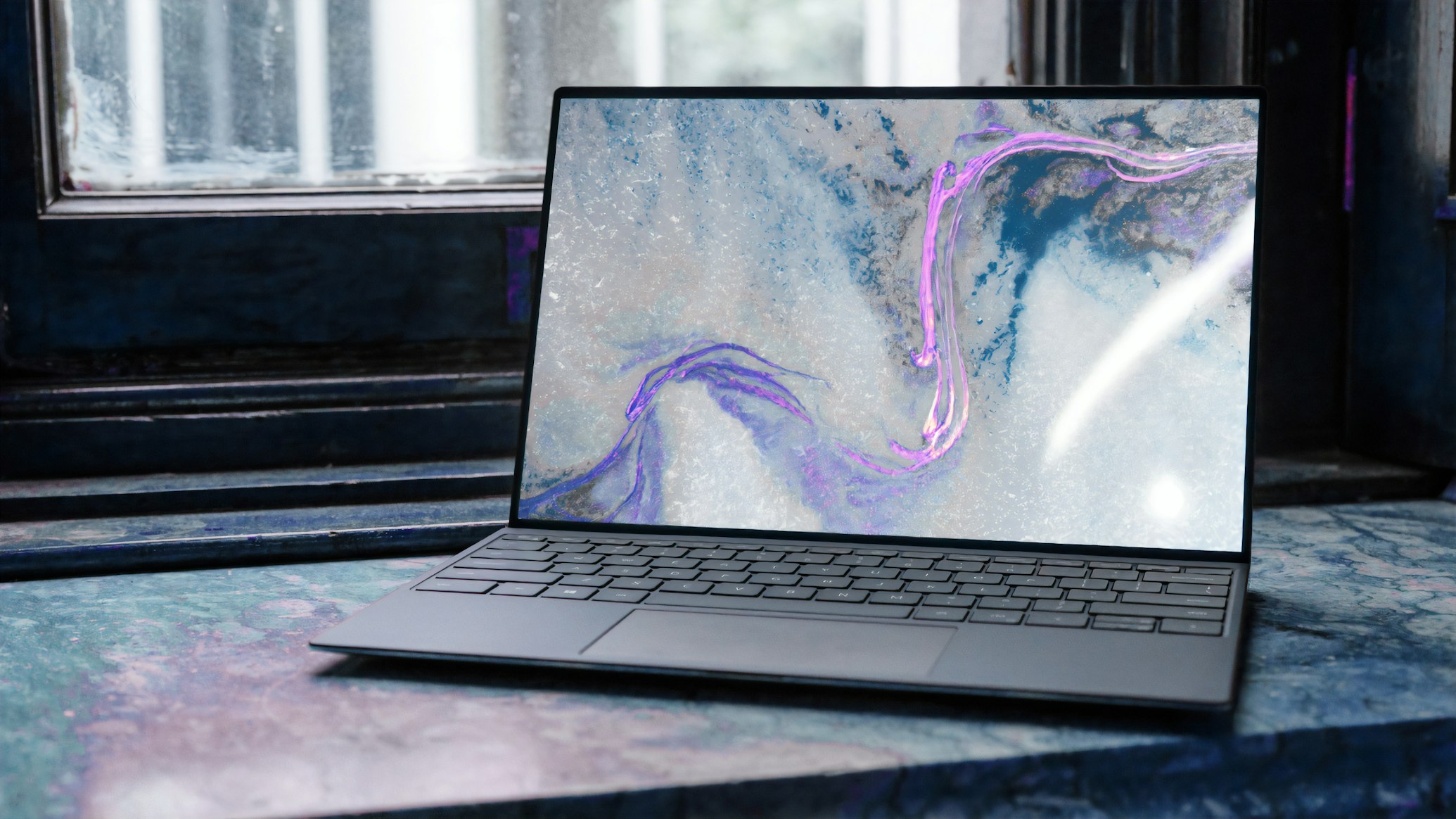
Google's Pixel 11 Pro XL shows that incremental upgrades are becoming the norm, while simultaneously, Amazon's 60% price hikes on Echo and Kindle products highlight the raw cost pressures reshaping the industry. In parallel, a 520-dollar HP OmniBook with 16GB RAM demonstrates that more RAM is driving laptop prices to unprecedented heights. As repairable gadgets like the fairphone and Framework Laptop offer alternatives, the question remains: how much can consumers really afford?
The Shifting Landscape of Consumer Electronics
The consumer electronics market is at a crossroads. On one hand, we see companies like Google embracing iterative improvements, refining existing products year after year with marginal but noticeable upgrades. On the flip side, we're witnessing dramatic price increases that challenge affordability and signal deeper market imbalances. This dichotomy isn't coincidental; it reflects a broader industry trend where innovation is becoming increasingly about software tweaks rather than revolutionary hardware shifts, while raw material scarcity and manufacturing complexities drive up costs.
Incremental Innovation: Google's Pixel 11 Pro XL
Google's Pixel 11 Pro XL represents the latest in this wave of iterative upgrades. According to the TechCrunch review, the device features snappier cameras and genuinely useful AI features like 'Rambler', showcasing Google's commitment to enhancing user experience through software and processing improvements rather than radical redesigns. The cameras, powered by advanced computational photography and faster processing, offer tangible benefits over previous models. The integration of AI features like Rambler, which helps users manage their time more effectively, demonstrates a shift towards solving user problems in more nuanced ways.
However, the review also points out a potential drawback: the iterative nature of the upgrade might not be compelling enough for existing Pixel users. 'Snappier cameras can’t hide an iterative upgrade,' notes the analysis, suggesting that while Google is making incremental improvements, they may not constitute a significant enough leap for consumers who have recently upgraded. This highlights a growing challenge for tech companies: maintaining consumer enthusiasm in a market where radical innovation is becoming rarer.
Market Distortions: The Amazon Price Hike Phenomenon
Meanwhile, in a completely different corner of the consumer electronics world, Amazon has announced significant price increases for its Echo, Fire TV, and Kindle products, with some items seeing prices jump by up to 60%. 'Citing "significant increases in memory and storage component costs,"' as the Verge reports, Amazon justifies these hikes. The cheapest products in Amazon's lineup were hit hardest, with the Echo Dot smart speaker soaring from $49.99 to $79.99.
This price escalation mirrors a broader trend in the industry. The Verge's analysis suggests that component shortages and supply chain issues, particularly related to memory and storage, are driving up production costs. This is not an isolated incident; the article points to a 'RAMageddon' affecting the entire laptop market, where increased demand for RAM is pushing prices significantly higher. The Amazon case illustrates how these market forces are being felt across various consumer electronics categories, from smart speakers to e-readers.
Hardware Shortages Driving Laptop Prices to Record Heights
The HP OmniBook 3 exemplifies the impact of these market imbalances. This 520-dollar laptop, with its relatively modest specs (16GB RAM), positions itself as a compelling alternative in a market where laptops are becoming increasingly expensive. According to The Verge's review, 'An okay laptop with 16GB of RAM is better than a nice laptop with 8GB,' highlighting how the game has changed. In the past, the distinction between mid-range and high-end laptops was primarily about build quality and screen quality. Now, however, RAM capacity has become a premium feature.
This 'RAMageddon,' as termed by the Verge, stems from a perfect storm of rising demand and limited supply. As users require more memory to run increasingly resource-intensive applications and operating systems, manufacturers are forced to incorporate higher RAM configurations even into budget models to meet expectations. This, combined with increased production costs, has led to laptop prices that 'used to get you a tolerable laptop, and $900 got you a really good one' becoming a thing of the past.
Repairable Electronics as an Alternative Path
Amidst these market challenges, there's a growing movement advocating for repairable electronics. In a piece titled 'Two great new repairable gadgets,' The Verge introduces two devices that champion longevity and user agency: the fairphone 6 plus and the Framework Laptop 12. These products represent a counter-narrative to the disposable tech culture often fostered by rapid obsolescence and iterative upgrades.
The fairphone, known for its modular design and focus on ethical sourcing, offers users the ability to repair and customize their devices. Similarly, the Framework Laptop emphasizes user-upgradeability, allowing owners to swap components like RAM and storage without specialized tools.
This focus on repairability and longevity aligns with a broader shift in consumer consciousness. As price increases become more frequent, consumers are increasingly seeking alternatives that offer better value and sustainability. These devices not only address immediate affordability concerns but also contribute to a more circular economy by extending product lifespans.
Expert Analysis: Navigating the Consumer Electronics Maze
Putting these trends together provides a clearer picture of the current consumer electronics landscape. The tech industry appears to be bifurcating: on one side, established players like Google are focusing on incremental improvements, delivering software and hardware refinements that enhance user experience without fundamentally changing the product. On the other side, market forces driven by component shortages and rising costs are creating affordability challenges across the board, from budget devices to premium laptops.
'Consumers are facing a difficult choice,' explains a technology analyst quoted in The Verge's coverage. 'They can opt for the latest and greatest with cutting-edge features, but at a significantly higher price point, or choose more affordable options that may not offer the latest specifications.' This dichotomy reflects a broader economic reality and raises questions about the future of innovation and accessibility in consumer electronics.
The rise of repairable devices like the fairphone and Framework Laptop offers a potential middle ground. By empowering users to extend the life of their devices, these products mitigate some of the negative effects of price inflation and iterative obsolescence. However, their impact remains limited if overall market prices continue to rise.
The Road Ahead: Balancing Innovation and Affordability
As we look to the future, the challenge for consumer electronics companies will be to balance innovation with affordability. While iterative upgrades can provide continuous value to users, they risk becoming a treadmill of expectations that ultimately strains consumer budgets. Companies need to find ways to deliver meaningful improvements without resorting to premium pricing.
At the same time, addressing the root causes of component shortages and supply chain inefficiencies will be crucial. Innovations in manufacturing, better forecasting of demand, and a shift towards more sustainable practices could help stabilize prices. The rise of repairable devices suggests that there's growing consumer appetite for products designed with longevity in mind, which could, in turn, influence how companies approach design and production.
Ultimately, the consumer electronics market is at a pivotal moment. The tension between incremental progress and market distortions will shape not only how products evolve but also how accessible and sustainable they become. As consumers navigate this complex landscape, the ability to find value, both in terms of features and cost, will define their experience with technology.
"The real innovation isn't just in making better products, but in making products that last and that people can afford," said the fairphone representative in an interview cited by The Verge.
In conclusion, the consumer electronics market is grappling with a perfect storm of iterative upgrades and price pressures. While companies like Google are refining their offerings with each release, market forces are making devices increasingly unaffordable for many. The rise of repairable gadgets offers a glimmer of hope, but broader systemic changes will be needed to ensure that technological progress remains both innovative and inclusive.
Embedded Image
Image Source: Unsplash (representing the Amazon Echo Dot)
Laptop Price Comparison
Image Source: Unsplash (visualizing the RAM impact on prices)
Fairphone 6 Plus
Image Source: Unsplash (highlighting modular repairability)
Cover Image: