The Great AI Strain: Energy Grids, Chip Embargos, and the Human Cost of the Hardware War
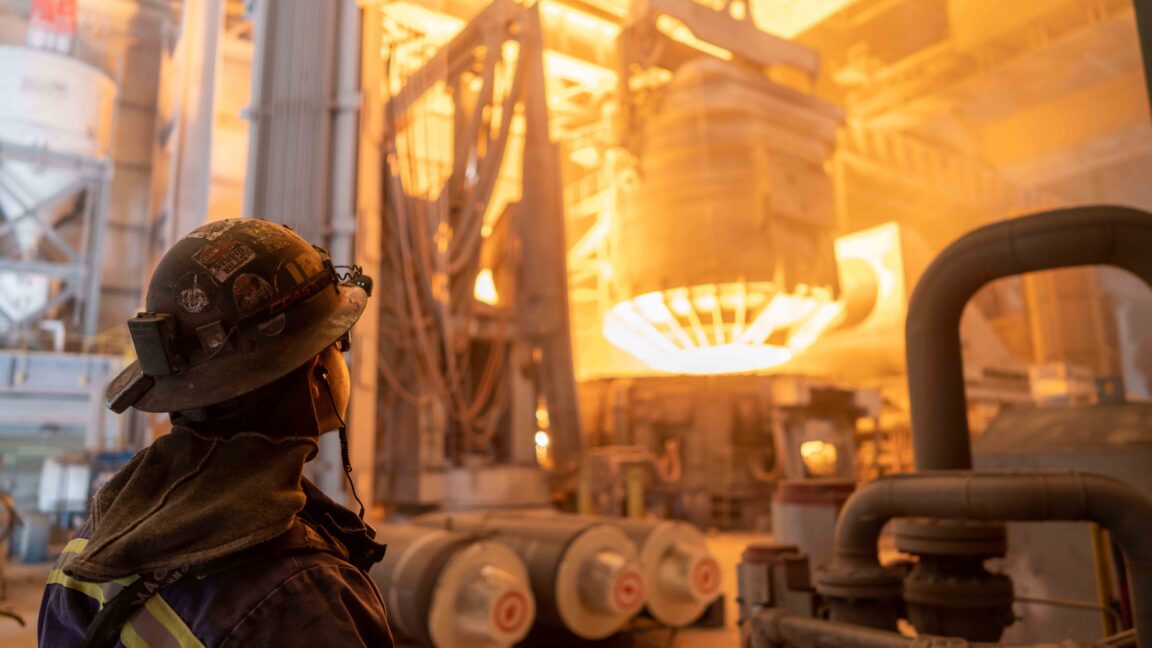
As the global AI race accelerates, a triad of crises emerges: US data centers are throttling industrial power, China is pivoting to domestic chip fabrication under sanctions, and tech giants are slashing headcount to fund the infrastructure boom.
The Unseen Cost of the Silicon Revolution
The narrative of the artificial intelligence revolution is often painted in strokes of exponential growth and boundless potential. However, beneath the glossy veneer of generative AI models lies a brutal, physical reality: the infrastructure required to sustain this intelligence is straining the very foundations of the global economy. As we navigate mid-2026, the "AI Arms Race" has mutated from a software contest into a geopolitical and industrial struggle for energy, hardware sovereignty, and human capital. The convergence of soaring electricity costs in the US, aggressive chip fabrication efforts in China, and significant workforce reductions in the US tech sector reveals a market that is overheating and seeking a new equilibrium.
The Energy Paradox: AI vs. American Manufacturing
Nowhere is this tension more palpable than in the United States, where the insatiable appetite of AI data centers is colliding with national industrial policy. The promise of "Made in America" manufacturing, a cornerstone of recent political platforms, faces an existential threat from the grid itself. According to recent analysis, the surge in power demand from hyperscale data centers is driving electricity costs to unprecedented heights, particularly in the Rust Belt. This region, once the backbone of American heavy industry, is now seeing its energy bills soar, not due to a lack of supply, but due to the prioritization of server farms over factories.
"The squeeze on Rust Belt electricity bills threatens Trump's manufacturing plan."
This creates a paradoxical scenario where the technology meant to boost productivity is actively undermining the industrial base required to build it. If manufacturers cannot secure affordable power, the "reshoring" narrative crumbles. The physical constraints of the grid are proving to be a more formidable barrier than software algorithms. As data centers consume gigawatts of power to train and run large language models, the marginal cost of electricity for traditional manufacturing rises, forcing a difficult choice between digital ambition and physical production.
The Geopolitical Chip War: China's Desperate Pivot
While the US grapples with internal energy constraints, the geopolitical front of the hardware war is intensifying. Faced with stringent US export controls designed to stifle its AI capabilities, China is no longer merely seeking to adapt; it is attempting to build a self-sufficient silicon ecosystem from the ground up. DeepSeek, a prominent Chinese AI firm, has reportedly announced plans to manufacture its own chips, signaling a shift from dependency on Nvidia and even domestic giant Huawei toward full vertical integration.
This move is not merely a business strategy; it is a survival mechanism. The US export controls have successfully created a bottleneck, forcing Chinese innovators to accelerate R&D cycles that would typically take a decade. The implications are profound: if China succeeds in producing competitive AI chips domestically, it could decouple the global AI supply chain, creating a bifurcated world where Western and Eastern AI ecosystems operate on incompatible hardware standards. However, the technical hurdles remain immense. Moving from design to fabrication without access to advanced lithography tools is a monumental challenge, one that DeepSeek and its peers are attempting to overcome with unprecedented speed.

The Human Toll: Efficiency at the Expense of Talent
As the battle for hardware rages, the human cost within the tech sector is becoming increasingly visible. The capital-intensive nature of AI infrastructure is forcing major players to re-evaluate their balance sheets. Microsoft, a dominant force in the AI space, has reportedly initiated significant layoffs at its gaming division, including Bethesda and id Software. Reports suggest that as much as 50 percent of some teams are affected, a drastic reduction that signals a strategic pivot away from content creation toward infrastructure consolidation.
This trend highlights a broader shift in the industry's DNA. In the past, tech growth was driven by software innovation and user acquisition. Today, growth is capital-constrained by the cost of GPUs and the energy required to run them. Companies are cannibalizing their creative divisions to fund the physical layer of AI. The reduction of talent in creative sectors like gaming is not just a side effect; it is a direct consequence of the "infrastructure-first" mandate. The logic is cold and calculated: the hardware is the bottleneck, and every dollar spent on game development is a dollar not spent on the next generation of data centers.

The Convergence: A Fragile Equilibrium
When viewed together, these three developments paint a picture of an industry at a breaking point. The US faces an energy crisis that threatens its industrial renaissance. China faces a technological blockade that forces a high-risk pivot to domestic manufacturing. And the global tech giants are facing a capital crunch that forces them to shed human talent to build the machines that will eventually replace it.
The implications for the future are stark. The "AI Infrastructure Arms Race" is no longer just about who has the smartest algorithm; it is about who can secure the most energy, build the most resilient supply chains, and endure the highest human costs. The next phase of AI development will be defined not by software updates, but by the physical limits of our power grids, the geopolitical will to build chips, and the willingness of corporations to sacrifice their creative workforce for the sake of hardware dominance. As we look toward the end of 2026, the question is no longer if AI will transform the world, but at what cost to the economy, the environment, and the people who built it.
The race is on, but the finish line is moving, and the price of admission is higher than ever.