The Great Xbox Reset: How AI, Layoffs, and Spin-offs Are Reshaping Microsoft's Gaming Future
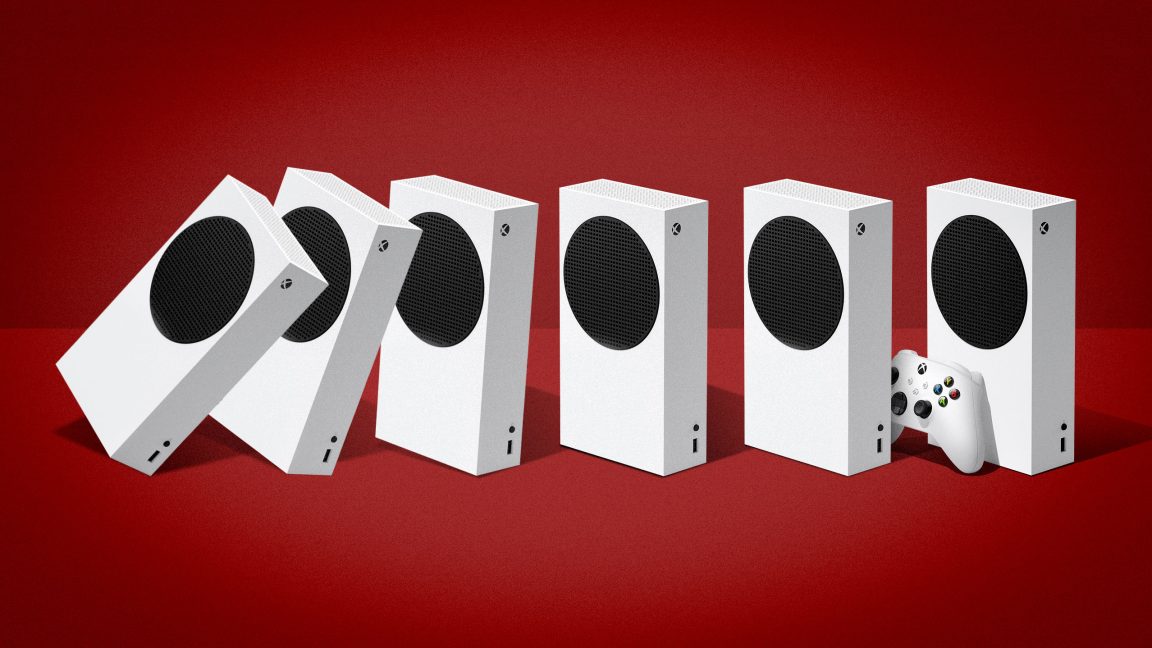
In a dramatic 2026 restructuring, Microsoft slashes nearly 5,000 jobs, citing AI efficiency and a strategic pivot toward core franchises. As four studios go independent, the gaming giant signals a new era where scale meets artificial intelligence.
The Great Xbox Reset: How AI, Layoffs, and Spin-offs Are Reshaping Microsoft's Gaming Future
The Day the Xbox Shrank
The tech industry is witnessing a seismic shift in 2026, and nowhere is it more palpable than within Microsoft's gaming division. On a Monday that will likely be etched into the annals of gaming history, Microsoft announced a sweeping restructuring that saw the elimination of nearly 4,800 jobs globally, with the Xbox division bearing the brunt of the cuts. This move, representing approximately 2.1% of Microsoft's total global workforce, is not merely a cost-cutting exercise; it is a fundamental recalibration of the company's gaming strategy in the age of artificial intelligence.
"The layoffs will hit Xbox and commercial sales the hardest," reports TechCrunch, highlighting that more than 30 percent of the job losses are concentrated within the gaming sector.
This is not an isolated event. It is part of a broader, unsettling trend across the technology sector where employers are increasingly citing AI as a primary driver for workforce reduction. As documented in a running list of major tech layoffs in 2026, Microsoft joins a growing roster of giants leveraging automation and generative AI to streamline operations. But for Xbox, the implications run deeper than simple headcount reduction; they signal a philosophical shift in how the company views game development, content ownership, and the future of interactive entertainment.
The Anatomy of the Cuts: 3,200 Jobs and Five Studios
The numbers tell a stark story of consolidation. According to Ars Technica, the restructuring affects roughly 20% of the gaming division, resulting in the departure of 3,200 employees specifically within Xbox. The impact is felt across the board, from development teams to support functions. The company is effectively pruning its portfolio to focus on what it deems its "biggest franchises," a strategy that prioritizes proven hits over experimental indie projects.
However, the restructuring is not just about firing employees; it is about redefining the relationship between Microsoft and its creative studios. In a move that surprised many industry observers, Microsoft announced it is spinning off four of its acquired studios: Compulsion Games, Double Fine Productions, Ninja Theory, and Undead Labs. These studios will be transitioned to independent status, severing their direct operational ties to the Redmond giant.
This spin-off strategy is a nuanced departure from the traditional acquisition model that defined Xbox's growth over the last decade. Rather than absorbing these teams entirely or shuttering them, Microsoft is allowing them to survive as independent entities. The Verge reports that for two of these studios—Double Fine and Compulsion Games—this independence comes with a silver lining: they will retain ownership of their existing franchises and game catalogs. Xbox CEO Asha Sharma confirmed this unique arrangement, suggesting a desire to preserve creative legacy while shedding the operational bloat.
The AI Pivot: Efficiency vs. Creativity
The rationale behind these drastic measures is inextricably linked to the rise of AI. The 2026 tech landscape is defined by a race to integrate artificial intelligence into every facet of business, from customer service to code generation. Microsoft, a leader in AI through its partnership with OpenAI, is now applying this logic to its gaming division. The narrative emerging from these layoffs is that AI can handle the "grind" of development—asset generation, code debugging, and even narrative scaffolding—thereby reducing the need for large teams of junior developers and testers.
"Employers cited AI as a stated factor" in the running list of major tech layoffs in 2026, TechCrunch notes, framing these cuts as a necessary evolution rather than a reaction to poor performance.
This pivot raises profound questions about the nature of game development. If the industry moves toward AI-driven pipelines, does the "soul" of a game get diluted? By spinning off studios like Double Fine, known for their quirky, narrative-heavy experiments, Microsoft may be acknowledging that their specific creative DNA does not fit the new, efficiency-first mold of the parent company. The remaining Xbox division will likely focus on high-budget, AAA blockbusters where AI can streamline massive asset libraries and complex engine requirements, leaving the indie-style innovation to the newly independent studios.
A Strategic Retreat or a Necessary Evolution?
The decision to sell off or spin off studios is a strategic retreat from the aggressive acquisition spree that characterized the Xbox division under Phil Spencer's earlier tenure. For years, the strategy was to buy everything: Bethesda, Activision, and dozens of smaller studios. The logic was to build a fortress of content to drive Game Pass subscriptions. However, the 2026 restructuring suggests that this fortress has become too expensive to maintain.
The commercial sales division, which also faced significant cuts, underscores the broader financial pressure Microsoft is under. The company is no longer just trying to grow; it is trying to optimize. The "incredible shrinking Xbox" described by Ars Technica is a direct response to the need for profitability in a saturated market. By shedding 3,200 gaming jobs and four studios, Microsoft is attempting to streamline its cost structure while doubling down on its core intellectual property.
This approach mirrors the broader tech industry's reaction to the post-pandemic economic climate. The era of "growth at all costs" is over, replaced by a focus on margins and efficiency. The use of AI as a justification for layoffs is a double-edged sword. On one hand, it promises higher productivity and lower costs. On the other, it risks alienating the creative talent that drives the industry forward. The fact that Microsoft is allowing Double Fine and Compulsion to keep their IP suggests a recognition that some creative value cannot be easily automated or integrated into a monolithic corporate structure.
The Human Cost and the Creative Future
Behind the corporate strategy lies a human cost. Nearly 5,000 employees are losing their jobs, a figure that represents years of dedication, unfulfilled projects, and shattered careers. For the 3,200 Xbox employees affected, the uncertainty is palpable. While some may find new homes in the spun-off studios or other companies, many will face a difficult job market where AI is increasingly seen as a substitute for human labor.
The spin-off of Ninja Theory and Undead Labs adds another layer of complexity. These studios, known for titles like Hellblade: Senua's Sacrifice and Gears of War, will now have to navigate the treacherous waters of the independent market without the financial safety net of Microsoft. Their success will depend on their ability to secure new publishing deals and manage their own resources. For Double Fine and Compulsion, the retention of their IP offers a glimmer of hope, but the challenge of building a sustainable business model remains significant.
Looking Ahead: The New Era of Xbox
As Microsoft resets the Xbox division, the industry is left to wonder what the future holds. The new strategy seems to be a hybrid model: a leaner, AI-optimized core division focused on blockbuster franchises, supported by a network of independent studios that retain creative autonomy. This could be the beginning of a new era where Microsoft acts more as a platform holder and publisher than a massive development conglomerate.
The integration of AI will undoubtedly accelerate. We can expect to see more tools that assist developers in creating content faster and cheaper. However, the question remains: will this lead to better games, or just more of the same? The spin-offs of Double Fine and Compulsion suggest that Microsoft believes some types of games require a human touch that AI cannot replicate. By letting these studios go independent, Microsoft is effectively outsourcing the risk of innovation while keeping the safety of its core hits.
The 2026 restructuring is a clear signal that the gaming industry is entering a new phase. The days of buying every studio in sight are over. The focus is now on efficiency, profitability, and the strategic use of AI. For Microsoft, this is a painful but necessary step to ensure the long-term viability of its gaming division. For the industry, it is a wake-up call: the era of infinite growth is over, and the age of intelligent optimization has begun.
Conclusion
The "Great Xbox Reset" of 2026 is more than just a headline; it is a harbinger of change for the entire tech and gaming sectors. By cutting nearly 5,000 jobs, spinning off four studios, and pivoting toward AI-driven efficiency, Microsoft is redefining what it means to be a gaming giant in the modern era. The road ahead will be fraught with challenges, but the potential for a leaner, more focused, and perhaps more innovative future is undeniable. As the dust settles, one thing is clear: the Xbox we knew is gone, and a new, AI-powered version is emerging from the ashes.
Sources
- The running list: major tech layoffs in 2026 where employers cited AI
- Former Xbox studios Double Fine and Compulsion will keep games after going indie
- The incredible shrinking Xbox: Five studios, 3,200 employees let go
- Microsoft lays off nearly 5,000 employees across Xbox, commercial sales
- Resetting Xbox
- Microsoft is selling off four Xbox studios as part of significant gaming cuts
- Microsoft is laying off 4,800 employees