The End of Privacy: How State Power and AI Are Eroding Digital Sanctuaries
From AI resurrecting dead pilots to police dismantling VPNs and federal agencies leaking data, the digital landscape is witnessing a rapid erosion of privacy. This briefing analyzes how the convergence of state surveillance, commercial exploitation, and generative AI is dismantling the last bastions of digital security.
The Erosion of the Digital Sanctuary: A Crisis of Rights and Power
The promise of the early internet was built on a simple premise: that encryption and anonymity could create a digital sanctuary where individuals could communicate, explore, and operate without constant surveillance. Today, that promise is fracturing. A convergence of aggressive state power, unchecked commercial data harvesting, and the terrifying capabilities of generative AI is dismantling the last bastions of digital privacy. We are no longer just facing isolated security incidents; we are witnessing a systemic shift where the very tools designed to protect us are being turned against us.
The Myth of the Secure Tunnel
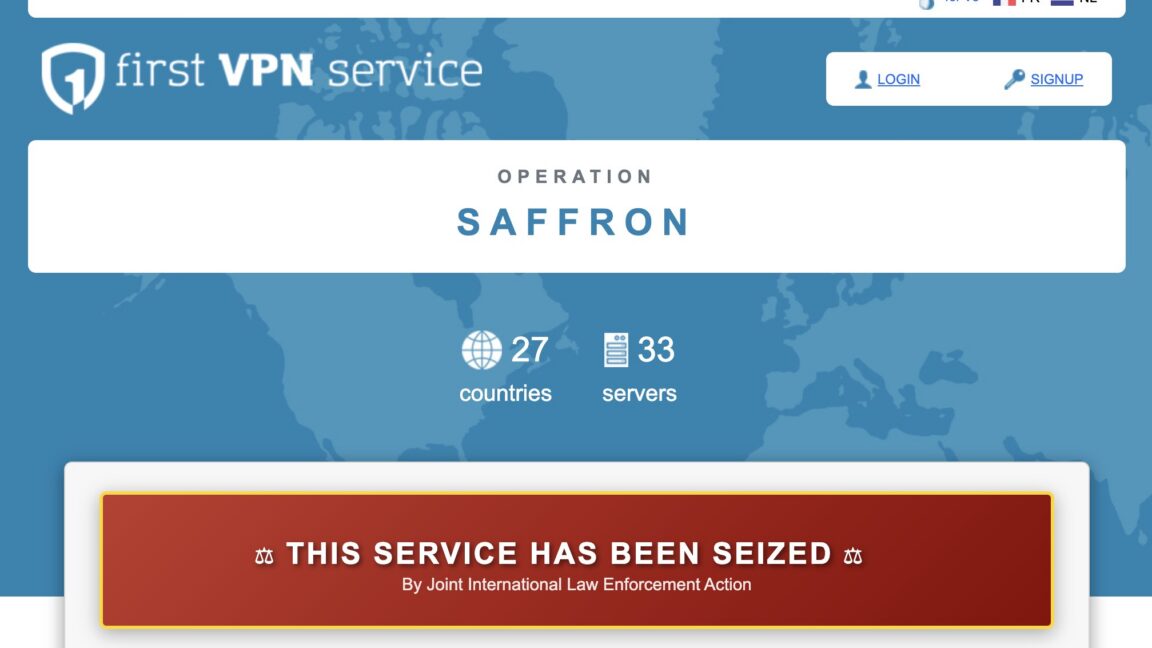
The most direct assault on digital privacy comes from the state itself, challenging the fundamental utility of encryption. Recently, law enforcement agencies have moved from theoretical discussions about "backdoors" to active, boastful demonstrations of their ability to bypass them. In a shocking display of capability, police forces have intercepted traffic on Virtual Private Networks (VPNs)—the very tools criminals and privacy advocates rely on to remain anonymous.
"Police boast of hacking VPN where criminals 'believed themselves to be safe'."
This development, reported in recent tech policy circles, signals a dangerous new era. When law enforcement agencies seize domains and arrest operators of VPN services, they are not just targeting criminals; they are dismantling the infrastructure that protects the innocent. The message is clear: no digital tunnel is safe. If the state can pierce the encryption of a dedicated privacy service, the average user's reliance on standard security protocols becomes a false sense of security. This creates a chilling effect where the mere act of seeking privacy is viewed with suspicion, pushing the boundary of acceptable behavior further into the shadows.
The Commercial Exploitation of the Invisible
While the state chokes off escape routes, the commercial sector continues to monetize the invisible. The digital economy has long operated on the premise that user data is the currency of the internet, but recent settlements reveal a disturbing escalation in surveillance techniques. A prominent marketing firm, which claimed the ability to tap into devices for hyper-granular ad targeting, recently faced an $880,000 settlement for its invasive practices. Two additional marketing companies were also fined for similar violations.
These settlements are not merely financial penalties; they are admissions of guilt regarding the weaponization of device access. The ability to "tap" devices implies a level of intrusion that bypasses user consent entirely, turning personal smartphones and computers into surveillance nodes. This commercial surveillance often acts as a precursor to state access. When corporations build the infrastructure to monitor every keystroke and location ping for advertising purposes, they create a trove of data that can be subpoenaed or seized by governments with minimal friction. The line between commercial tracking and state surveillance is blurring, creating a panopticon where every digital action is recorded, analyzed, and monetized.
The AI Resurrection: When Data Becomes a Weapon
Perhaps the most ethically fraught development is the intersection of artificial intelligence and public records. The digital age has created a vast archive of human history, but AI is now capable of resurrecting the dead with terrifying fidelity. In a recent incident, users began using generative AI to recreate the voices of pilots who had died in crashes, utilizing audio recordings from National Transportation Safety Board (NTSB) investigations.
"US scrambles to stop Internet users re-creating dead pilots' voices."
This phenomenon flouts laws designed to protect the sanctity of crash investigations and the dignity of the deceased. The NTSB has strict bans on disclosing cockpit audio recordings to prevent the spread of misinformation and to protect the privacy of victims' families. However, the democratization of AI tools means that once data exists in the digital realm, it can be manipulated, remixed, and weaponized by anyone with a laptop.

This is not just a legal issue; it is a crisis of truth. If AI can fabricate the voices of the dead to tell new stories or spread disinformation, the concept of objective reality begins to crumble. It highlights a critical failure in our digital rights framework: we have laws for physical privacy, but we lack the agility to protect digital remains from algorithmic exploitation. The state's ability to control the narrative is challenged not by other states, but by the crowd-sourced creativity of the internet itself, often with malicious or trivial intent.
The State's Own Vulnerability
Ironically, as the state expands its surveillance capabilities, its own digital hygiene is failing. A recent data leak at the Cybersecurity and Infrastructure Security Agency (CISA) has prompted lawmakers to demand answers, exposing a glaring contradiction. The very agency tasked with securing the nation's critical infrastructure is struggling to contain its own data breaches.
"Lawmakers Demand Answers as CISA Tries to Contain Data Leak."
This incident underscores a critical truth: security is not a feature you can mandate; it is a culture you must cultivate. When the federal government cannot protect its own data, it loses the moral high ground to demand that citizens sacrifice their privacy for "security." It suggests that the machinery of state surveillance is as fragile and prone to error as the private sector it regulates. This vulnerability invites further attacks from adversarial actors who can exploit these leaks to map government operations or compromise the very systems designed to protect the public.
The Path Forward: A New Social Contract
The convergence of these events paints a grim picture. We have a state that can hack privacy tools, a commercial sector that monetizes our every move, an AI that can resurrect the dead, and a government that cannot secure its own secrets. The result is a digital environment where trust is non-existent.
The return of veteran tech commentators like Robert X Cringely to the blogosphere signals a growing anxiety among the tech community. The era of naive optimism about the internet is over. We are entering a period of high-stakes conflict where digital rights are the primary battleground.
The implications are profound. If encryption can be bypassed, if data can be harvested without consent, and if reality can be synthesized by algorithms, the concept of the "private individual" in the digital age is becoming an endangered species. We need a new social contract—one that redefines the relationship between the user, the state, and the machine. This requires robust legal frameworks that treat digital privacy as a human right, not a commodity. It demands transparency from both corporations and governments. Most importantly, it requires a collective recognition that without privacy, there can be no true freedom.
The digital sanctuary is under siege. The question is no longer whether we can stop these encroachments, but whether we can rebuild the walls before the fortress is completely dismantled.
Sources
- US scrambles to stop Internet users re-creating dead pilots’ voices
- Police boast of hacking VPN where criminals "believed themselves to be safe"
- Marketer that claimed it could tap devices for ad targeting will pay $880K settlement
- Lawmakers Demand Answers as CISA Tries to Contain Data Leak
- Robert X Cringely is back to blogging