The Reality Check: From Flooded Robotaxis to the Plug-in Hybrid Renaissance
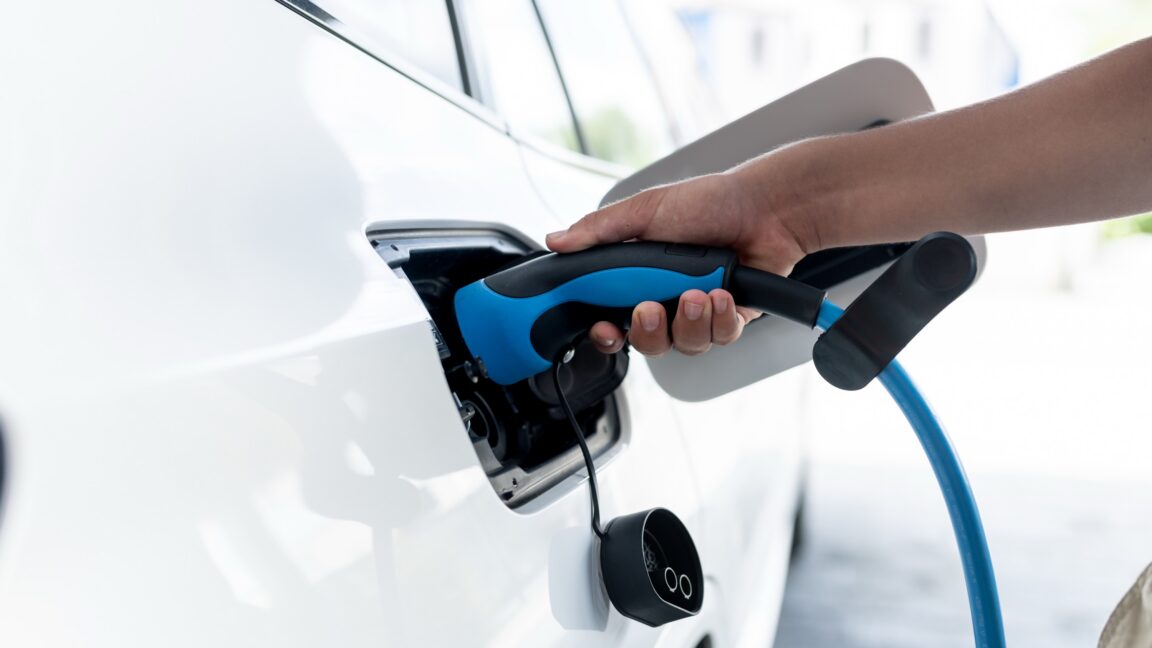
As Waymo halts operations in flooded cities, the industry faces a stark reminder that AI cannot yet conquer nature. Yet, as Wayve partners with Stellantis for 2028, a shift toward pragmatic electrification via plug-in hybrids suggests a more grounded path forward.
The Illusion of Infinite Progress
The narrative of autonomous vehicles (AVs) has long been one of linear, inevitable progress. We were promised a future where software would render human error obsolete, where cars would navigate any condition with superhuman precision. However, recent developments in the automotive sector are delivering a jarring reality check, shattering the illusion of a fully automated tomorrow.
The most striking example comes from Waymo, the industry's gold standard for robotaxis. In a move that underscores the fragility of current sensor suites and decision-making algorithms, Waymo has paused its service in both Atlanta and San Antonio. The culprit is not a cyberattack or a sensor glitch in the traditional sense, but a simple, brutal force of nature: flooding.
"Waymo's robotaxis keep driving into floods, forcing a suspension of operations as engineers scramble to update their perception stacks."
The incident reveals a critical blind spot in the AV revolution. While neural networks can recognize millions of objects, distinguishing between a puddle and a flood deep enough to disable electronics remains a significant hurdle. The algorithm, trained on historical data, may interpret standing water as a navigable hazard rather than an impassable barrier. This failure highlights the limits of simulation; no amount of virtual driving can perfectly replicate the chaotic, dynamic physics of a real-world flood event.
The Pivot to Pragmatism
If Waymo's pause represents a setback for Level 5 autonomy, other players are quietly pivoting toward a more pragmatic timeline. The industry is realizing that the "all or nothing" approach to full autonomy may be premature. Instead, we are seeing a convergence of advanced software with existing hardware constraints.
A prime example of this strategic shift is the partnership between Wayve and Stellantis. Unlike the immediate deployment of robotaxis, Wayve's self-driving technology is scheduled to arrive in Stellantis vehicles in 2028. This timeline is significant. It suggests a move away from rushed commercialization toward a methodical integration of AI into mass-market platforms.
Wayve's approach, which relies heavily on end-to-end neural networks, aims to bring autonomy to existing car models rather than building bespoke robots from scratch. By targeting a 2028 rollout, Stellantis and Wayve are acknowledging that safety and reliability must take precedence over speed. This is not a retreat from autonomy, but a maturation of the industry. It signals that the future of self-driving will likely be a gradual feature set added to consumer cars, rather than a sudden flood of robotaxis.
The Electrification Context: PHEVs as the Bridge
While the AV debate rages, the underlying powertrain evolution is taking a turn that many skeptics dismissed too quickly. The plug-in hybrid electric vehicle (PHEV) is experiencing a renaissance, challenging the narrative that pure electric vehicles (EVs) are the only viable future.
New data from Toyota and other major manufacturers indicates that PHEVs are being plugged in more frequently than industry critics anticipated. This is a crucial development for the AV ecosystem. Autonomous vehicles, with their heavy sensor loads and computing clusters, require immense energy. A pure battery range might be insufficient for long-haul robotaxis without frequent charging stops, whereas a PHEV offers the best of both worlds: electric efficiency for city driving and range security for unpredictable conditions.
The surge in PHEV charging habits suggests that consumers are more adaptable to hybrid technology than previously thought. This behavioral shift is vital for the AV industry. If the next generation of autonomous cars relies on hybrid powertrains to ensure reliability during extreme weather or grid outages, the PHEV market becomes a foundational pillar rather than a stepping stone.
The Road Ahead: A Hybrid Future
The convergence of these three stories paints a complex picture of the automotive future. We are not moving toward a singular, utopian endpoint of fully autonomous electric robotaxis. Instead, we are entering an era of hybrid realities.
The flooded robotaxis remind us that software is not magic; it is bound by physical laws and environmental chaos. The Wayve-Stellantis partnership signals a patient, engineering-first approach to scaling autonomy. Meanwhile, the PHEV renaissance provides the necessary energy architecture to support these systems reliably.
The industry is learning that the path to autonomy is not a straight line. It is a winding road filled with setbacks, pivots, and the necessity of embracing imperfect but practical solutions. As we move toward 2028 and beyond, the winners will not be those who promise the most futuristic tech today, but those who can navigate the messy, flooded, and unpredictable reality of the real world.
The era of hype is giving way to the era of resilience. And in this new landscape, the car that can handle a flood, plug in when needed, and learn from its mistakes will be the one that truly drives the future.