The Great AI Reckoning: Watermarking, Legal Wars, and Industry Consolidation
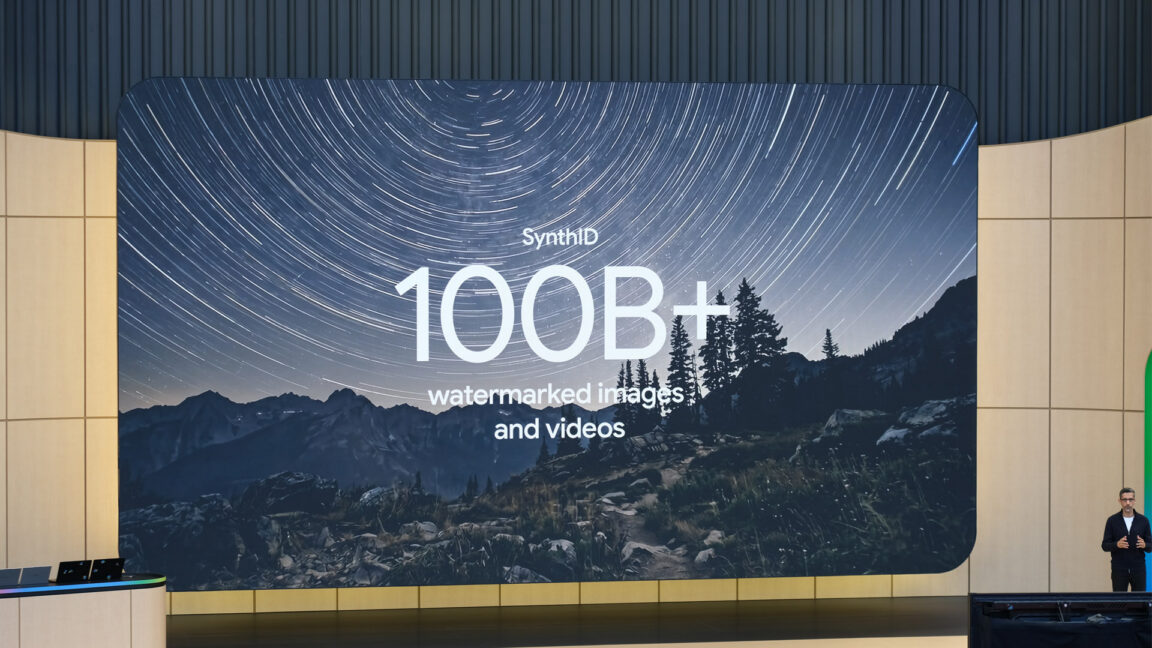
As the Musk v. Altman trial reveals deep ideological fractures, the industry pivots toward Google's SynthID for content provenance while major players like Mistral and Anthropic accelerate consolidation. This briefing analyzes how legal battles, technical standards, and M&A activity are reshaping the future of AI governance.
The Fracture Point: Inside the Musk v. Altman Trial
The AI industry is currently navigating a turbulent period defined not just by technological breakthroughs, but by a fundamental crisis of trust and governance. The recent conclusion of the lawsuit between Elon Musk and OpenAI serves as a stark microcosm of this tension. In a trial that captivated the tech world, Musk alleged that OpenAI CEO Sam Altman and President Greg Brockman had deceived him regarding the company's non-profit status, effectively "stealing" a public good for private gain.
However, as reported by MIT Technology Review and TechCrunch, the courtroom drama revealed a far more nuanced reality. The trial did not simply vindicate one side; it exposed that both Musk and Altman shared similar, albeit conflicting, visions for the future of artificial intelligence. > "By the end of this week, you and Sam will be the most hated men in America," Musk had warned, highlighting the personal stakes involved. Yet, the evidence suggested that the ideological rift was less about betrayal and more about divergent strategies for scaling AI safely. The legal defeat for Musk underscores a critical shift: the era of loose, founder-driven governance is ending, replaced by a need for formalized structures and accountability.

The Provenance Pivot: Google's SynthID and the Race for Truth
While legal battles play out in courtrooms, a parallel revolution is underway in the realm of content verification. As AI-generated media becomes indistinguishable from reality, the industry is coalescing around a single technical standard: Google's SynthID. In a significant move toward industry-wide cooperation, OpenAI has announced the adoption of SynthID for its image generation models, joining a growing list of adopters that includes Nvidia and others.
This adoption is not merely a technical upgrade; it is a strategic pivot toward "content provenance." OpenAI's announcement, covered by Ars Technica and TechCrunch, details a dual-pronged approach: integrating Google's invisible watermarking technology and committing to the open C2PA standard. This combination allows for both machine-readable verification and human-readable metadata, creating a robust chain of custody for AI-generated content.
The implications are profound. By standardizing on SynthID, major players are effectively agreeing on a "truth layer" for the internet. This move addresses the growing public skepticism regarding deepfakes and misinformation. As Ars Technica notes, "AI content is getting good, but SynthID might be able to help tell truth from fiction." The technology embeds a persistent signal into images that survives compression and editing, ensuring that the origin of content can be traced back to the model that created it. This is a critical step toward restoring trust in digital media, a necessity for the long-term viability of the AI ecosystem.
Industry Consolidation: The Rise of the AI Stack
Simultaneously, the competitive landscape is undergoing rapid consolidation, signaling a shift from a "wild west" of startups to an era of mature, vertically integrated giants. The acquisition of Emmi AI by Mistral AI marks a pivotal moment in this trend. By acquiring Emmi, Mistral aims to build the "leading AI stack," integrating advanced model capabilities with sophisticated infrastructure and deployment tools. This move suggests that the future of AI lies not just in building better models, but in owning the entire value chain from training to inference.
This trend of consolidation is further evidenced by high-profile talent migrations. The recent announcement that Andrej Karpathy, a former OpenAI and Tesla executive, has joined Anthropic, highlights the intensifying war for talent. Karpathy's move is significant; it brings deep expertise in model architecture and scaling to a company already known for its focus on safety and alignment. These personnel shifts indicate that the industry is maturing, with established players leveraging their resources to attract top-tier engineering talent and solidify their market positions.
The convergence of legal scrutiny, technical standardization, and corporate consolidation suggests a maturing industry. The days of rapid, unregulated growth are giving way to a more disciplined approach. Companies are realizing that to scale responsibly, they must invest in governance, verification, and infrastructure. The Musk v. Altman trial serves as a cautionary tale about the dangers of ambiguous governance, while the adoption of SynthID demonstrates a collective commitment to transparency. Meanwhile, the acquisition of Emmi by Mistral and Karpathy's move to Anthropic signal a future where only the most robust, well-integrated organizations will survive.
The Path Forward: A Regulated Ecosystem
Looking ahead, the trajectory of AI governance will likely be defined by the interplay between these three forces. Legal precedents set by high-profile trials will force companies to adopt stricter internal controls and clearer ownership structures. The widespread adoption of watermarking standards like SynthID will create a baseline for trust, enabling regulators and users to verify the origin of content. Finally, industry consolidation will concentrate power and resources, allowing for more coordinated efforts in safety and alignment.
However, challenges remain. The effectiveness of watermarking technologies will face constant pressure from those seeking to remove or bypass them. Legal battles will continue as the boundaries of intellectual property and corporate governance are tested. And as the industry consolidates, concerns about monopolistic practices and the concentration of power in a few hands will only grow.
Ultimately, the AI industry is at a crossroads. The path forward requires a balance between innovation and regulation, between competition and cooperation. The lessons learned from the Musk v. Altman trial, the technical strides in content provenance, and the strategic shifts in corporate structure will shape the next decade of AI development. As the industry moves toward a more mature and regulated ecosystem, the focus will shift from "who can build the biggest model" to "who can build the most trustworthy and responsible system."
The stakes are higher than ever. As AI becomes deeply embedded in our daily lives, from healthcare to entertainment, the need for robust governance has never been more critical. The actions taken today by industry leaders, regulators, and technologists will determine whether AI becomes a force for good or a source of chaos. The Great AI Reckoning is just beginning, and the outcome will depend on our collective ability to navigate these complex challenges with foresight and integrity.
Conclusion: The New Normal
In conclusion, the current landscape of AI is defined by a triad of forces: legal accountability, technical transparency, and corporate consolidation. The Musk v. Altman trial has exposed the fragility of informal governance, pushing the industry toward more formal structures. The adoption of Google's SynthID by OpenAI and others represents a critical step toward establishing a verifiable truth in an age of synthetic media. And the consolidation of companies like Mistral and the movement of talent like Karpathy to Anthropic signal a maturing industry that values integration and stability over rapid, unregulated expansion.
As we move forward, the industry must continue to invest in these three pillars. Legal frameworks must evolve to keep pace with technological change, technical standards must be robust and universally adopted, and corporate structures must be designed to ensure long-term sustainability and safety. The future of AI depends on our ability to balance these competing demands, creating an ecosystem that is both innovative and trustworthy. The Great AI Reckoning is not just a challenge; it is an opportunity to build a better future for artificial intelligence.
Sources
- Roundtables: Inside the Musk v. Altman Trial
- Elon Musk said Sam Altman “stole” a non-profit — but the trial showed he had similar aims
- OpenAI Adopts Google's SynthID Watermark for AI Images with Verification Tool
- Mistral AI Acquires Emmi AI to Create the Leading AI Stack
- Andrej Karpathy Joins Anthropic
- Two AI-based science assistants succeed with drug-retargeting tasks
- Google's SynthID AI watermarking tech is being adopted by OpenAI, Nvidia, and more
- OpenAI is making it easier to check if an image was made by their models