From Quantum Leaps to Cosmic Leaks: Navigating the Complexities of Modern Technology
This in-depth analysis explores a diverse range of recent technological developments, from groundbreaking quantum computing advancements and the future of code management to environmental concerns in remote regions and the ongoing challenges of digital platforms. We delve into the implications of these stories, offering expert perspectives on their broader impact.
Navigating the Frontier: A Snapshot of Today's Technological Landscape
The tech world is a dynamic and often unpredictable space, constantly pushing boundaries and presenting new challenges. Recent developments highlight a remarkable spectrum of innovation, from the esoteric realms of quantum physics and distributed systems to the tangible impacts of environmental pollution and the frustrations of user-platform interactions. This week, we examine key stories that reveal the intricate tapestry of modern technology, exploring breakthroughs, persistent problems, and the evolving nature of digital life.
Quantum Computing Edges Closer to Reality
A significant leap in quantum computing has been announced by ETH Zurich, with researchers demonstrating a 17,000-qubit array exhibiting an impressive 99.91% fidelity [7]. This achievement represents a crucial step towards building stable and scalable quantum computers. Quantum computing promises to revolutionize fields like medicine, materials science, and artificial intelligence by tackling problems currently intractable for even the most powerful classical supercomputers. The high fidelity achieved by the ETH Zurich team is particularly noteworthy, as qubit stability and error correction have been major hurdles in the development of practical quantum machines. While still in its nascent stages, such progress signals that the era of quantum computation may be closer than we think, potentially unlocking unprecedented computational power.

The Evolving Landscape of Software Development
Beyond the hardware of quantum computing, the software development ecosystem is also undergoing significant shifts. GitButler has secured $17 million in Series A funding to build what it envisions as the successor to Git [11]. This move signals a potential paradigm shift in how developers manage code, hinting at a future where version control is more integrated, intelligent, and perhaps even automated. The substantial funding indicates strong investor confidence in the need for innovation in this foundational area of software engineering. Meanwhile, discussions around development philosophies continue, with some developers expressing a preference for older, established methodologies like MCP (Master Control Program) over newer, skill-based approaches [10]. This highlights a perennial tension in tech: the drive for innovation versus the comfort and proven utility of existing systems.
Furthermore, understanding complex distributed systems remains a core challenge, with resources like an explanation of the Raft consensus algorithm through the lens of the movie "Mean Girls" aiming to demystify these intricate concepts [9]. The persistence of such explainers underscores the ongoing need for accessible education in fundamental computer science principles, even as the field races forward.
Environmental Concerns Reach Remote Corners
While technological progress often focuses on the digital and the abstract, its impact on the physical world is undeniable. In a stark reminder of pervasive pollution, researchers have discovered PFAS chemicals – often dubbed "forever chemicals" – in penguins in remote Patagonia [3]. This finding is deeply concerning, as it demonstrates how persistent organic pollutants can travel vast distances and infiltrate even the most seemingly pristine environments. The presence of these chemicals in wildlife highlights the global scale of environmental contamination and the urgent need for stricter regulation and remediation efforts. These "forever chemicals" are known for their persistence in the environment and their potential links to a range of health problems, making their detection in apex predators in isolated ecosystems a significant red flag.
Space Exploration Faces Unexpected Hurdles
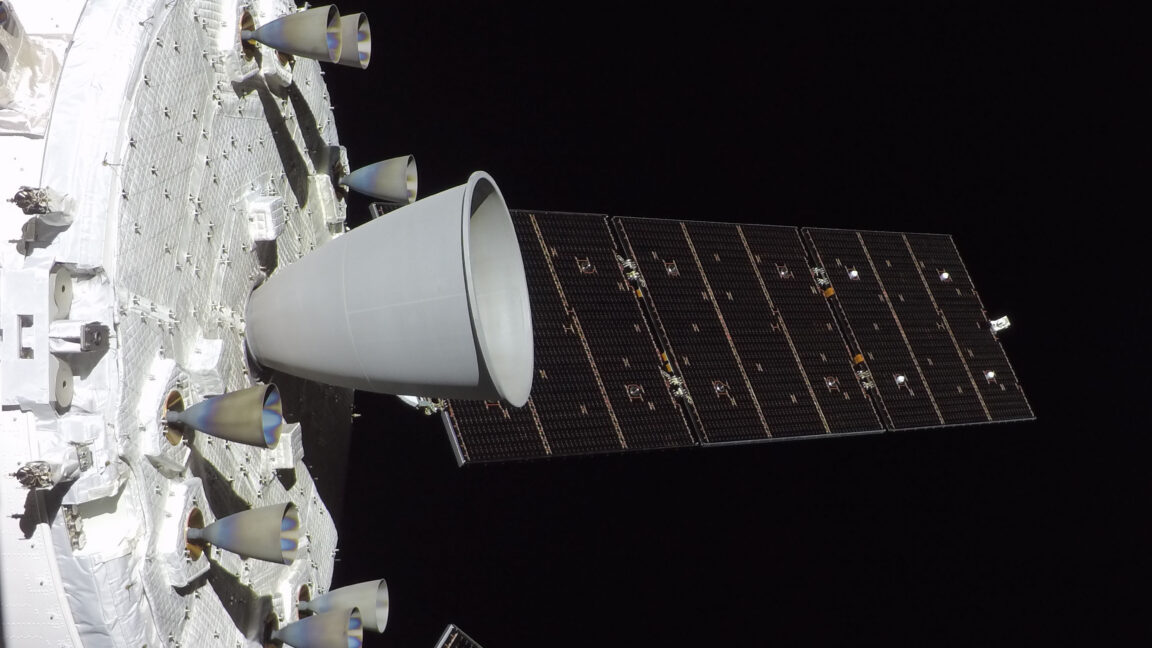
The ambitious Artemis II mission, aiming to send astronauts back to the Moon, is encountering its own set of challenges. Reports indicate that helium leaks in the Orion spacecraft's propulsion system pose an "invisible hazard" [2]. While NASA has stated these leaks do not threaten the immediate safety of the Artemis II crew and that a redesign will address the issue for future missions [12], it underscores the complexities and inherent risks of deep-space exploration. Such incidents highlight the critical importance of rigorous testing, robust engineering, and the continuous adaptation required to ensure the safety of astronauts and the success of complex missions. The need for redesign also points to the iterative nature of spaceflight development, where lessons learned from one mission inform the next.
Digital Platforms: Control, Access, and Frustration
On the digital front, user experiences with large platforms continue to be a source of friction. One creator found themselves unable to cancel a YouTube subscription after their accounts were locked, illustrating a common frustration with the lack of control users often have over their digital subscriptions and accounts [4]. This situation raises questions about corporate control, user rights, and the ease with which individuals can disengage from services, especially in the age of AI-driven content moderation and platform policies.
In the realm of specialized computing, the installation of OpenBSD on a Pomera DM250 portable device showcases the dedication of a niche community to specific operating systems and hardware configurations [8]. This serves as a reminder of the diverse needs and preferences within the technology landscape, from large-scale infrastructure to highly specialized personal devices.
Looking Ahead: A Call for Responsible Innovation
The technological landscape is a multifaceted domain, characterized by both breathtaking innovation and persistent challenges. The advancements in quantum computing and the evolution of software development tools promise to reshape our future capabilities. However, the pervasive reach of pollution, as evidenced by the discovery in Patagonia, and the inherent risks in space exploration, as seen with Artemis II, remind us of our responsibility to the physical world. Furthermore, the user experience issues with digital platforms highlight the ongoing need for transparency, user control, and ethical considerations in the design and operation of online services.
As we move forward, it is imperative that technological progress is guided by a commitment to sustainability, safety, and user well-being. The discoveries in remote ecosystems and the technical glitches in space missions serve as critical feedback loops, urging us to refine our approaches and ensure that innovation benefits humanity and the planet as a whole. The ability to build privacy-preserving applications with modern static site generators like Astro, for instance, points towards a more conscious approach to development, where privacy is considered from the outset rather than as an afterthought [1]. This holistic view, encompassing scientific breakthroughs, developer tools, environmental stewardship, and user rights, will be crucial in navigating the complexities of the 21st century.
Sources
- Zero-build privacy policies with Astro
- Artemis II and the invisible hazard on the way to the Moon
- Penguin 'Toxicologists' Find PFAS Chemicals in Remote Patagonia
- YouTube locked my accounts and I can't cancel my subscription
- CollectWise (YC F24) Is Hiring
- Afrika Bambaataa, hip-hop pioneer, has died
- ETH Zurich demonstrates 17,000 qubit array with 99.91% fidelity
- Installing OpenBSD on the Pomera DM250{,XY?}
- The Raft consensus algorithm explained through "Mean Girls" (2019)
- I still prefer MCP over skills
- We've raised $17M to build what comes after Git
- Orion helium leak no threat to Artemis II reentry, but will require redesign