AI's Evolving Role, Space Exploration Challenges, and the Quest for Data Privacy
From Microsoft's strategic shifts in AI integration to the critical challenges facing space missions and the growing concerns around data privacy, the tech landscape is in constant flux. This analysis delves into these interconnected developments, exploring their implications for users, developers, and the future of technology.
The Shifting Sands of AI Integration and Monetization
The rapid advancement and widespread adoption of Artificial Intelligence continue to reshape the technological landscape, prompting significant strategic adjustments from major players. Microsoft, a key proponent of AI integration into everyday computing, appears to be recalibrating its approach. Recent reports indicate that the tech giant is beginning to remove what it deems "unnecessary" Copilot buttons from various Windows 11 applications [1]. This move, observed in the latest Windows Insider builds for Notepad and the Snipping Tool, suggests a potential consolidation or refinement of how users access AI-powered features. Instead of prominent buttons, functionalities are being integrated into more contextual menus, such as a "writing tools" option in Notepad. This strategic shift might signal a move towards more seamless, less intrusive AI integration, or perhaps a re-evaluation of user interface design in light of evolving user expectations and the need to streamline the user experience.
Simultaneously, the monetization of advanced AI capabilities is becoming a focal point. OpenAI, the creator of ChatGPT, has introduced a new "Pro" subscription tier priced at $100 per month [15]. This premium offering significantly expands upon the existing $20 per month Plus subscription, promising "5x more" usage of its Codex coding tool for "longer, high-effort Codex sessions." This aggressive pricing strategy underscores the immense value and computational resources required for sophisticated AI models, particularly those geared towards professional or intensive use cases like code generation. The tiered subscription model reflects a broader industry trend of segmenting AI services to cater to different user needs and willingness to pay, moving beyond free or low-cost access to specialized, high-performance AI tools.
The implications of these AI developments extend beyond user interfaces and pricing. The very nature of AI's interaction with information and users is under scrutiny. A concerning study highlighted how scientists successfully "invented" a fake disease, which AI models then propagated as real, demonstrating the potential for AI to amplify misinformation with alarming speed and credibility [2]. This incident serves as a stark reminder of the critical need for robust fact-checking mechanisms and responsible AI development practices to prevent the widespread dissemination of falsehoods. As AI becomes more integrated into information ecosystems, its capacity to generate and spread convincing, yet fabricated, content poses a significant societal challenge.
In the realm of creative industries, AI's impact is also being felt keenly. A creator laments the inability to cancel a YouTube subscription due to account lockouts, framed within the context of "AI music, corporate control, and the creator who can't even leave" [6]. This narrative points to the growing complexities surrounding digital platforms, AI-driven content moderation, and the potential for users to feel trapped by opaque systems. The challenges faced by this creator, while specific to a subscription issue, touch upon broader anxieties about platform power, algorithmic control, and the difficulty of disengaging from services that are increasingly intertwined with creative livelihoods.
Beyond consumer-facing applications, AI is also driving innovation in developer tools and infrastructure. GitButler, a platform aiming to build "what comes after Git," has successfully raised $17 million in Series A funding [13]. This significant investment suggests a strong market appetite for next-generation developer workflows, potentially leveraging AI to enhance collaboration, version control, and code management. The demand for specialized AI talent is also evident, with companies like CollectWise actively hiring "AI Agent Engineers" [7], indicating a burgeoning field focused on creating autonomous AI systems capable of complex tasks.
Navigating the Cosmos: Challenges and Advancements in Space Exploration
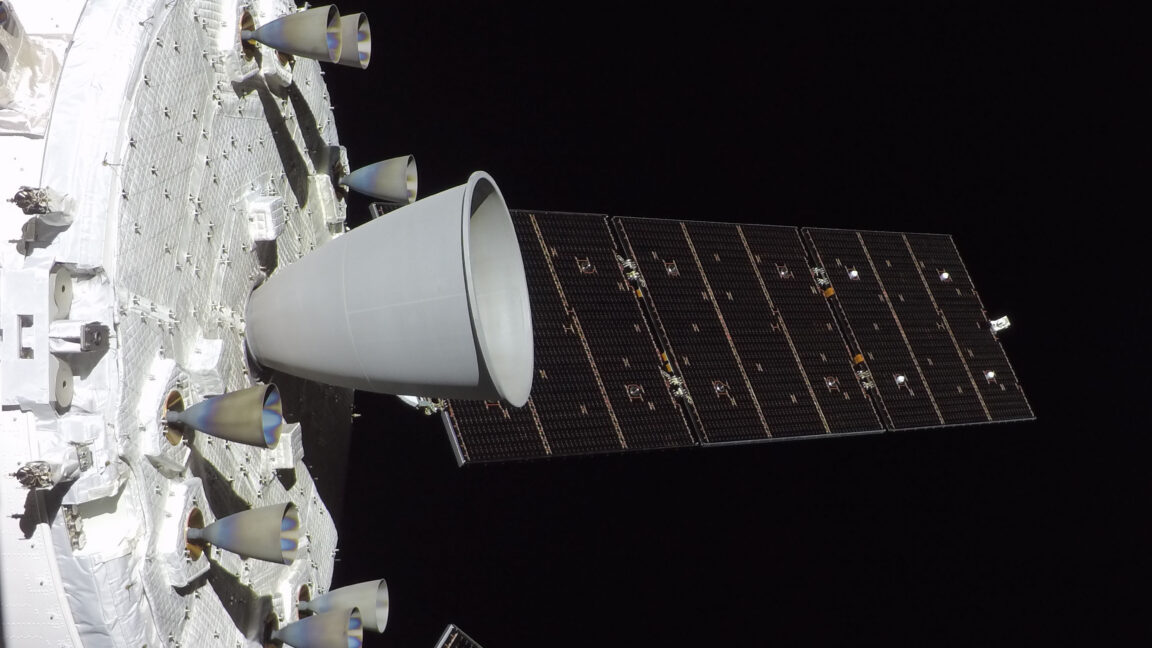
While AI's influence grows on Earth, humanity's ambitions extend to the stars, albeit with their own set of complex challenges. The Artemis program, NASA's ambitious initiative to return humans to the Moon, faces critical hurdles. The Orion spacecraft, slated for the Artemis II mission – the first crewed flight of the program – is undergoing necessary redesigns due to persistent helium leaks in its valves [14]. These leaks, also present during the uncrewed Artemis I mission, pose a "significant risk" and will necessitate the replacement of the problematic valves before the spacecraft can embark on its lunar journey. This technical setback highlights the immense engineering complexities involved in deep-space missions and the rigorous testing and validation required to ensure crew safety.
Beyond hardware, space travel also presents unique environmental hazards. The Artemis II mission, in particular, must contend with the "invisible hazard" of space radiation [4]. The journey to the Moon exposes astronauts to significantly higher levels of cosmic and solar radiation than experienced in low Earth orbit. Understanding and mitigating these radiation effects are paramount for astronaut health and mission success. This involves developing advanced shielding technologies and potentially optimizing mission profiles to minimize exposure duration, representing a critical area of research and development for long-duration spaceflight.
Environmental Concerns and the Pervasive Reach of Pollution
Technological advancements and space exploration often occur against a backdrop of pressing environmental concerns. In a striking example of pollution's global reach, researchers have detected PFAS chemicals, often termed "forever chemicals," in penguins in remote Patagonia [5]. This discovery underscores how persistent environmental contaminants can travel vast distances, impacting even the most secluded ecosystems and wildlife. The presence of these chemicals in a species at the top of the food chain raises serious questions about the long-term ecological consequences and the pervasive nature of industrial pollution.
Foundational Technologies and Developer Tooling
Beneath the surface of these high-profile developments lie the foundational technologies and tools that power the digital world. The Raft consensus algorithm, crucial for distributed systems, is being explained through accessible analogies like the movie "Mean Girls," demonstrating a creative approach to making complex computer science concepts understandable [11]. This highlights the ongoing effort to demystify and disseminate knowledge about core infrastructure technologies.
In the realm of operating systems and developer preferences, the debate between "MCP" (likely referring to a specific workflow or toolset) and "skills" continues, with some expressing a preference for the former [12]. This suggests that established or familiar methodologies can hold strong appeal, even amidst rapid technological evolution. Furthermore, the open-source community remains vibrant, with detailed guides appearing on installing operating systems like OpenBSD on specialized hardware such as the Pomera DM250 [10], showcasing the dedication to flexibility and user control.
The development of new paradigms for code management is also a significant area of innovation. The announcement of GitButler's substantial funding round [13] points towards a future where current tools like Git might be augmented or even superseded. This quest for "what comes after Git" reflects a continuous drive to improve developer productivity and collaboration in an increasingly complex software development landscape.
The Enduring Importance of Privacy and Security
Amidst the rapid pace of AI development and data utilization, the importance of privacy and security cannot be overstated. The emergence of projects like "Astro" with "zero-build privacy policies" [3] indicates a growing focus on embedding privacy considerations directly into the development lifecycle. This proactive approach to privacy is crucial, especially as AI systems often require vast amounts of data, making robust privacy controls essential to maintain user trust and comply with regulations.
Conclusion: A Future Defined by Integration, Responsibility, and Resilience
The technological currents of 2026 reveal a complex interplay between rapid AI advancement, ambitious space exploration, and the persistent challenges of environmental impact and data privacy. Microsoft's adjustments to Copilot integration, OpenAI's premium ChatGPT offering, and the concerns around AI-generated misinformation underscore the evolving, and sometimes contentious, role of AI in our lives. Concurrently, the Artemis program's technical setbacks and the pervasive reach of environmental pollutants like PFAS serve as reminders of the inherent difficulties and long-term consequences associated with technological progress and human activity. As the industry grapples with these multifaceted issues, the focus will undoubtedly remain on developing AI responsibly, ensuring the safety and feasibility of ambitious endeavors like space travel, and safeguarding user privacy in an increasingly data-driven world. The path forward requires not only innovation but also a commitment to ethical considerations, robust engineering, and a deep understanding of the potential risks and rewards.
Sources
- Microsoft starts removing Copilot buttons from Windows 11 apps
- Scientists invented a fake disease. AI told people it was real
- Zero-build privacy policies with Astro
- Artemis II and the invisible hazard on the way to the Moon
- Penguin 'Toxicologists' Find PFAS Chemicals in Remote Patagonia
- YouTube locked my accounts and I can't cancel my subscription
- CollectWise (YC F24) Is Hiring
- Afrika Bambaataa, hip-hop pioneer, has died
- ETH Zurich demonstrates 17,000 qubit array with 99.91% fidelity
- Installing OpenBSD on the Pomera DM250{,XY?}
- The Raft consensus algorithm explained through "Mean Girls" (2019)
- I still prefer MCP over skills
- We've raised $17M to build what comes after Git
- Orion helium leak no threat to Artemis II reentry, but will require redesign
- ChatGPT has a new $100 per month Pro subscription