Tech Landscape in Flux: From AI Ambitions to Public Health Data and Space Exploration

This week's tech news reveals a dynamic landscape, with Amazon's CEO challenging industry giants, Tesla shifting its EV strategy, and crucial insights into public health data access. Meanwhile, space exploration continues to capture the public imagination, even as questions arise about its practical value.
A Shifting Tech Frontier: Competition Heats Up, Strategies Pivot, and Data Access Becomes Contentious
The technology sector is a perpetual motion machine, constantly evolving with new innovations, strategic realignments, and sometimes, contentious debates over data and policy. This week, headlines reveal a landscape in flux, from the highest echelons of corporate competition to the intricate details of space mission computing and the sensitive realm of public health data.
Corporate Titans Clash and Realign
Amazon CEO Andy Jassy's latest annual shareholder letter reads less like a corporate report and more like a strategic broadside against a host of competitors. As reported by TechCrunch [3], Jassy is not shying away from calling out rivals like Nvidia, Intel, and even Elon Musk's Starlink, all while defending Amazon's substantial $200 billion capital expenditure. This aggressive stance signals a heightened competitive environment, particularly as Amazon continues to invest heavily in its cloud infrastructure (AWS) and other ventures, areas where companies like Nvidia (with its AI chips) and Intel (a traditional chip giant) are key players. The letter suggests Amazon sees these entities not just as partners but as direct competitors in various technological domains, from AI processing to satellite internet services.
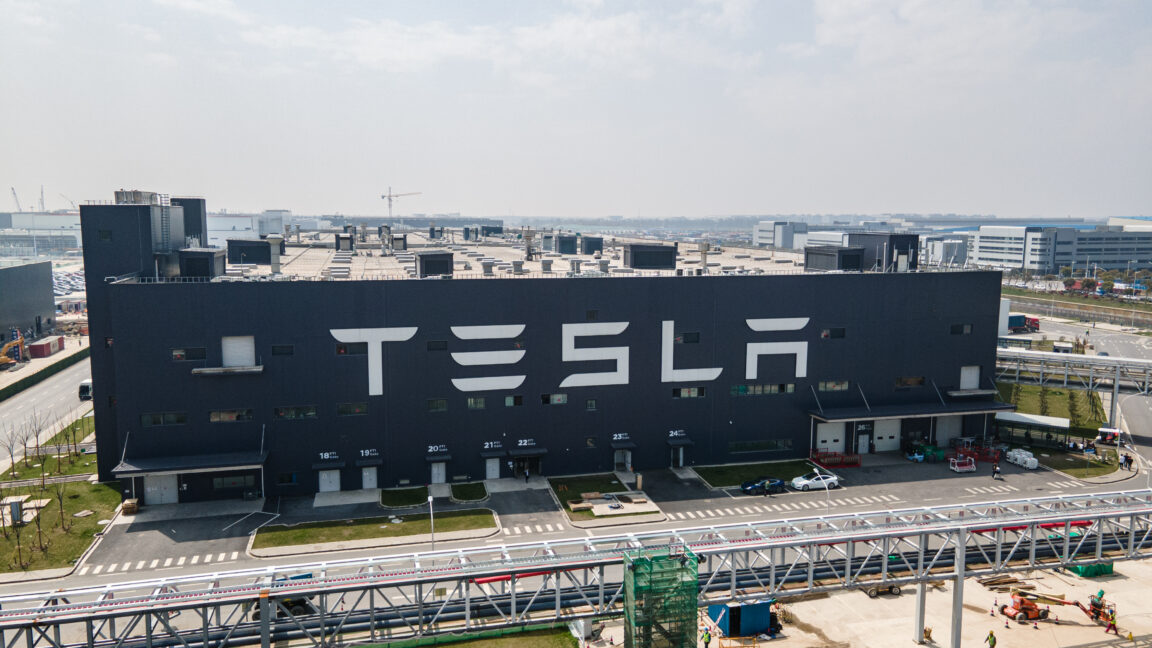
Meanwhile, Tesla, a company synonymous with disruptive innovation, appears to be undergoing a strategic pivot of its own. After reportedly canceling its long-discussed "Model 2" affordable EV, Ars Technica [4] reveals that the company is now working on a new small electric vehicle. This move raises questions about Tesla's core identity: is it primarily an AI and robotics company, as recent emphasis on its Optimus humanoid robot might suggest, or is it reaffirming its commitment to the automotive market that put it on the map? The shift could indicate a recalibration of its mass-market EV strategy, potentially driven by market demand, production challenges, or a renewed focus on core automotive competencies amidst intense competition.
Spotify, a dominant player in the audio streaming world, is also making user-centric adjustments. As noted by TechCrunch [7], the platform now allows users to disable all videos within the app. This feature caters to a growing demand for customizable user experiences, enabling listeners to opt for an "audio-first" approach or a "video-enhanced" one. In an era of information overload and diverse consumption habits, such granular control empowers users and could be a strategic move to retain listeners who prefer a less visually distracting experience.
The Complexities of Public Health Data and Government Oversight
Away from the corporate battlegrounds, the critical issue of public health data access has taken center stage. A study by the CDC, as detailed by Ars Technica [1], found that COVID-19 vaccines significantly reduce urgent care visits and hospitalizations, cutting these metrics by approximately 50% in healthy adults. However, the release of this crucial study has been reportedly blocked by a Trump administration official. This alleged obstruction raises serious concerns about the transparency and dissemination of vital public health information. Furthermore, Ars Technica [12] also reports on a separate, unprecedented proposal from the Trump administration to gain sweeping access to the medical records of federal workers for "vague reasons." This move, potentially granting access to sensitive doctors' notes, underscores a broader tension between governmental oversight and individual medical privacy, particularly in the context of health data.
Charting New Territories: Space Exploration and Technological Underpinnings
Space exploration continues to be a frontier of technological advancement and public fascination. NASA's Artemis II mission, aimed at returning humans to the Moon, highlights sophisticated engineering, particularly in its fault-tolerant computer systems, as discussed on Hacker News [2]. These systems are designed to handle potential failures, a critical requirement for deep-space missions where immediate human intervention is impossible.
However, as Ars Technica [11] points out, the practical value of such missions in terms of new discoveries is being debated. With the Moon already mapped and accessible via tools like Google Maps, some question what truly novel information Artemis II provides beyond its significant public relations value and its ability to "get the public excited." This perspective suggests a need to continually justify the immense investment in space exploration by highlighting tangible scientific or technological breakthroughs, rather than solely relying on symbolic achievements or public engagement.
Broader Technological Trends and Debates
Beyond these specific developments, the tech world is grappling with broader trends. MIT Technology Review's "The Download" [8] touches upon the "AstroTurf wars" – ongoing debates about the proliferation of artificial turf in place of natural grass. This seemingly niche topic reflects larger discussions about environmental impact, sustainability, and the increasing prevalence of synthetic solutions in various aspects of life [9]. Additionally, the growing importance of desalination technology, particularly in water-stressed regions, is highlighted through a data-driven analysis [10]. This underscores the critical role of technology in addressing fundamental global challenges like water scarcity.
Finally, the mention of "exponential AI growth" [8] in The Download newsletter serves as a reminder of the overarching technological revolution driven by artificial intelligence. This growth underpins many of the developments discussed, from Amazon's competitive strategies to Tesla's potential future direction.
Expert Perspective and Future Outlook
The confluence of these stories paints a picture of a tech industry at a critical juncture. Corporate strategies are becoming more aggressive and defined, with companies like Amazon clearly signaling their competitive intent. Tesla's apparent backtracking on a specific affordable EV model, while simultaneously developing a new one, highlights the inherent risks and strategic challenges in the highly competitive automotive market, especially when balancing traditional manufacturing with ambitions in AI and robotics.
More concerning are the developments surrounding public health data. The alleged suppression of CDC findings and the push for broad access to federal employees' medical records raise red flags about data governance, transparency, and the potential for political interference in scientific communication. These issues have profound implications for public trust and the ability of health organizations to effectively communicate critical information during health crises.
In space exploration, the tension between public engagement and tangible scientific return is likely to intensify. As missions become more complex and expensive, justifying their existence beyond symbolic value will be paramount. The technological achievements, such as the fault-tolerant computing for Artemis II, are undeniable, but their broader impact needs continuous articulation.
Looking ahead, the tech landscape will likely be shaped by several key forces: the relentless pursuit of dominance in AI and cloud computing, the ongoing electrification and automation of transportation, the critical need for sustainable solutions to global challenges like water scarcity, and the ever-present debate over data privacy and governmental access. The industry's ability to navigate these complex dynamics—balancing innovation with ethical considerations, competition with collaboration, and ambition with responsible execution—will define its trajectory in the coming years.
Sources
- CDC study shows COVID shot benefits; Trump official blocks release
- How NASA built Artemis II’s fault-tolerant computer
- Amazon CEO takes aim at Nvidia, Intel, Starlink, more in annual shareholder letter
- First, Tesla canceled the Model 2—now it's working on a new small EV
- Final 2 days to save up to $500 on your TechCrunch Disrupt 2026 ticket
- Trump's emergency orders pushing coal power are "illegal" as well as dumb
- Spotify now lets everyone turn off videos in its app
- The Download: AstroTurf wars and exponential AI growth
- Is fake grass a bad idea? The AstroTurf wars are far from over.
- Desalination technology, by the numbers
- The Moon is already on Google Maps—did Artemis II really tell us anything new?
- Trump admin makes sweeping request for medical records of federal workers